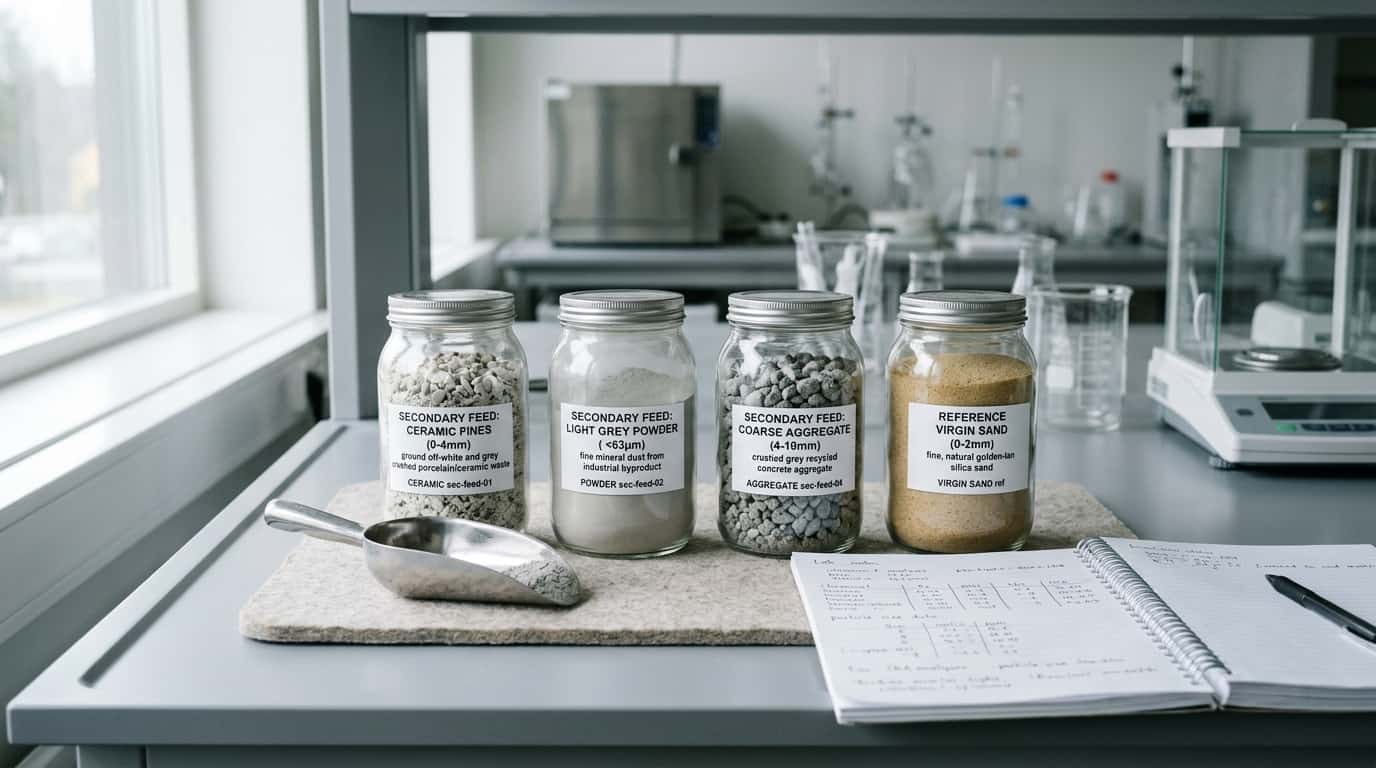
Qualifying recycled mineral inputs for protective bedding
Industrial side streams can feed SubLay C when regulation allows, but each input needs its own qualification. Recycled percentage alone is not a product claim.
Mahtab Dehghani
Finland's coastal acid sulfate soils can turn aggressive once disturbed. Mapped risk should trigger site investigation before a buried-concrete pilot, not a generic backfill assumption.

Mahtab Dehghani
Chairman
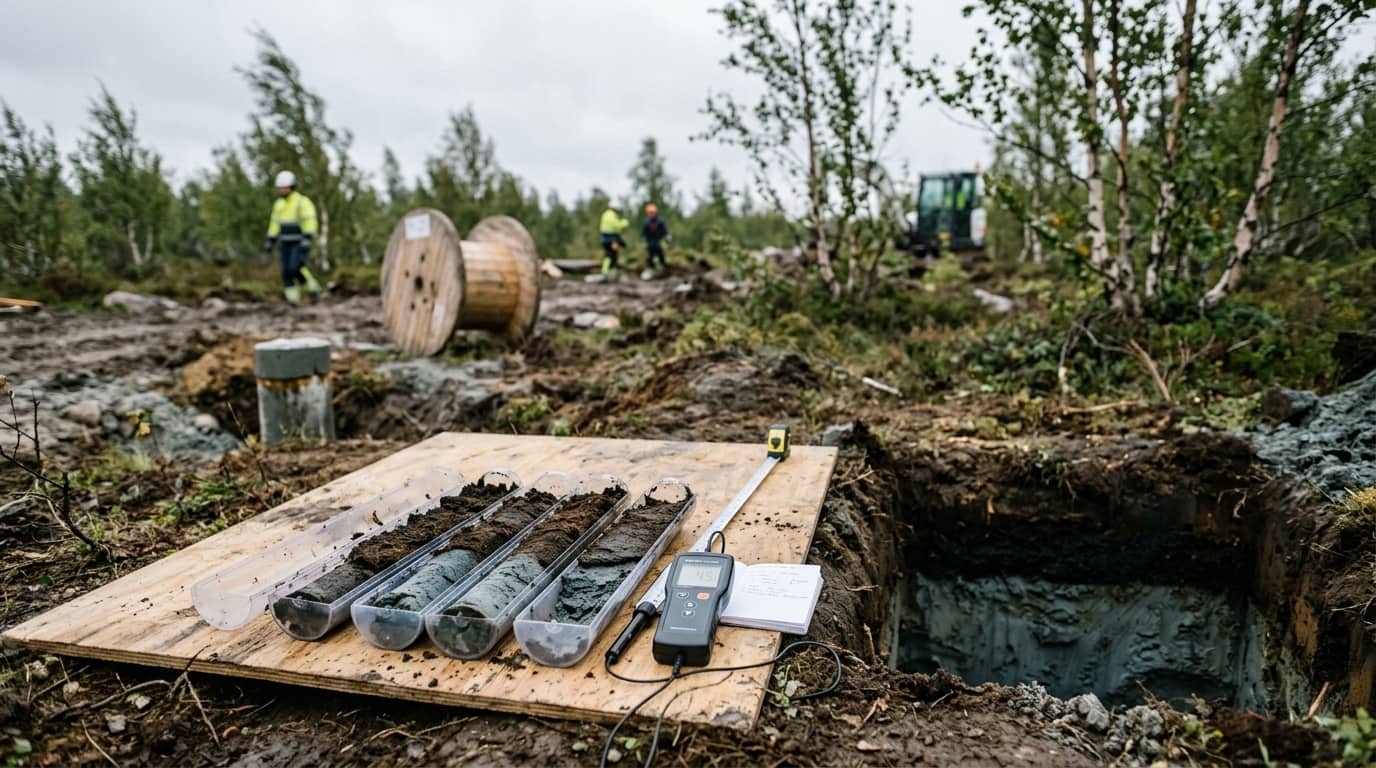
Finland has Europe's largest mapped acid sulfate soil deposits along the coast. Infrastructure owners bury poles, foundations, chambers, and other reinforced concrete in that ground for decades, including energy, transport, and agricultural assets. The problem is documented and still actively researched; it is not solved by default binder choice alone. SubLay's Year 1 answer is SubLay C Form 1: engineered protective backfill in the contact zone, without changing the concrete mix design. Early pilots are aimed at the Ostrobothnia / Oulu coast, where the ground risk is sharpest.
Engineering proposal only. GTK and other sources cited here establish the public problem; they do not endorse SubLay or confirm product performance.
In some Finnish ground conditions, construction can change the chemical exposure that a structure will experience. GTK explains that oxygen reaching sulfide-bearing soil, for example after excavation or groundwater lowering, can generate acidity and mobilise metals. This matters for buried structures as well as water management. [1] Chloride and carbonation pathways often dominate on salted roads and bridges; acid sulfate ground is the complementary coastal exposure this note focuses on.
Regional maps are useful for deciding where more investigation is needed. GTK's HASUdigi work combines mapping with a public database of soil and corrosion analyses. Its guidance recommends site-specific investigation where acid-forming soil is suspected. A mapped risk area should therefore trigger questions, rather than be treated as a chemical test result for a particular foundation. [1]
For a protective bedding pilot, a sensible sequence is to review existing ground information, investigate the installation depth, and establish relevant water and soil conditions. The investigation should distinguish present acidity from the potential for future acid generation. Excavation handling and drainage arrangements should be discussed with the geotechnical and environmental specialists responsible for the project.
SubLay could use such information to select a clearly defined research exposure. The pilot should ask whether the proposed bedding remains stable and whether it changes the conditions at the concrete surface. Any acid-neutralisation claim would additionally need evidence of capacity, depletion over time, and environmental effects.
A protective material placed around a foundation should not be assumed to solve acid-generation or runoff problems across an entire site. Defining that boundary makes the proposed application easier to test and explain.
Imagine a site selected because a regional map indicates possible acid sulfate soil. Before testing a protective material there, the developer needs to know whether the relevant layers occur at the proposed installation depth. The sampled ground also needs to correspond to the exposure used in the experiment. If material from another location is substituted, the report should say so. This simple separation between mapped probability, site evidence, and laboratory exposure makes the eventual claim easier for a Finnish project partner to review.
The site investigation should be translated into explicit responsibilities. The product team defines the material and the hypothesis; the ground specialists establish the relevant exposure; the project team agrees how excavation, water handling, and monitoring will be managed. A product experiment should not leave wider site management undefined.
The table is a proposed sequence for discussion with those specialists. Each stage has a distinct output, which avoids treating an early map review as final acceptance. Where the ground differs across the site, the proposed installation area should be identified precisely rather than represented by an unrelated average value.
| Stage | Required output | Use in pilot planning |
|---|---|---|
| Map review | Locations needing investigation | Target the survey |
| Site sampling | Depth-linked ground evidence | Define the exposure |
| Water assessment | Relevant water conditions | Plan monitoring |
| Excavation planning | Handling responsibilities | Manage the site boundary |
| Material experiment | Matched comparison and records | Evaluate the product hypothesis |
Original engineering review matrix; it does not prescribe acceptance limits or legal requirements.
For SubLay, an appropriate early objective would be to demonstrate stable behaviour in a documented exposure and obtain evidence relevant to the concrete interface. Broader claims about neutralising a site would need a different investigation boundary and evidence programme. The distinction also helps cost planning: material trials, ground investigation, and runoff management are separate activities that should not be hidden within one unspecified pilot budget.
De-icing salt and freeze-thaw add familiar exposure on roads and bridges; this note focuses on the coastal acid sulfate context that drives our Finnish beachhead. See Finnish infrastructure pilots: who we are looking for for who to contact.
Buried concrete durability
Article 2 of 5
Keep reading
Industrial side streams can feed SubLay C when regulation allows, but each input needs its own qualification. Recycled percentage alone is not a product claim.
Mahtab Dehghani
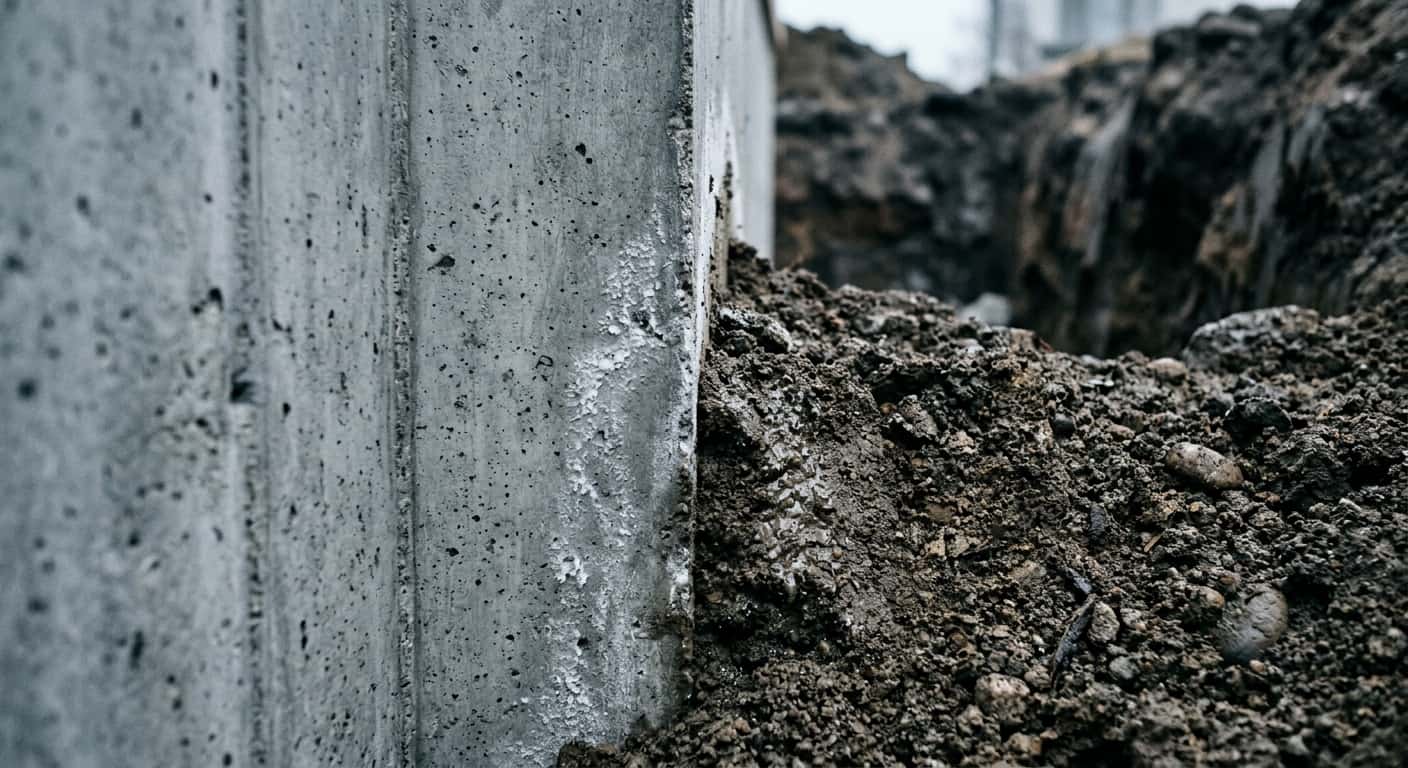
Chloride and carbonation attack steel through different mechanisms. For buried assets, ion movement through soil and backfill matters as much as cover inside the concrete.
Mahtab Dehghani
Discussion
Comments
Ask about placement, pilots, or product framing. Comments are public; we may reply from the SubLay team.
No comments yet. Be the first to start the thread.