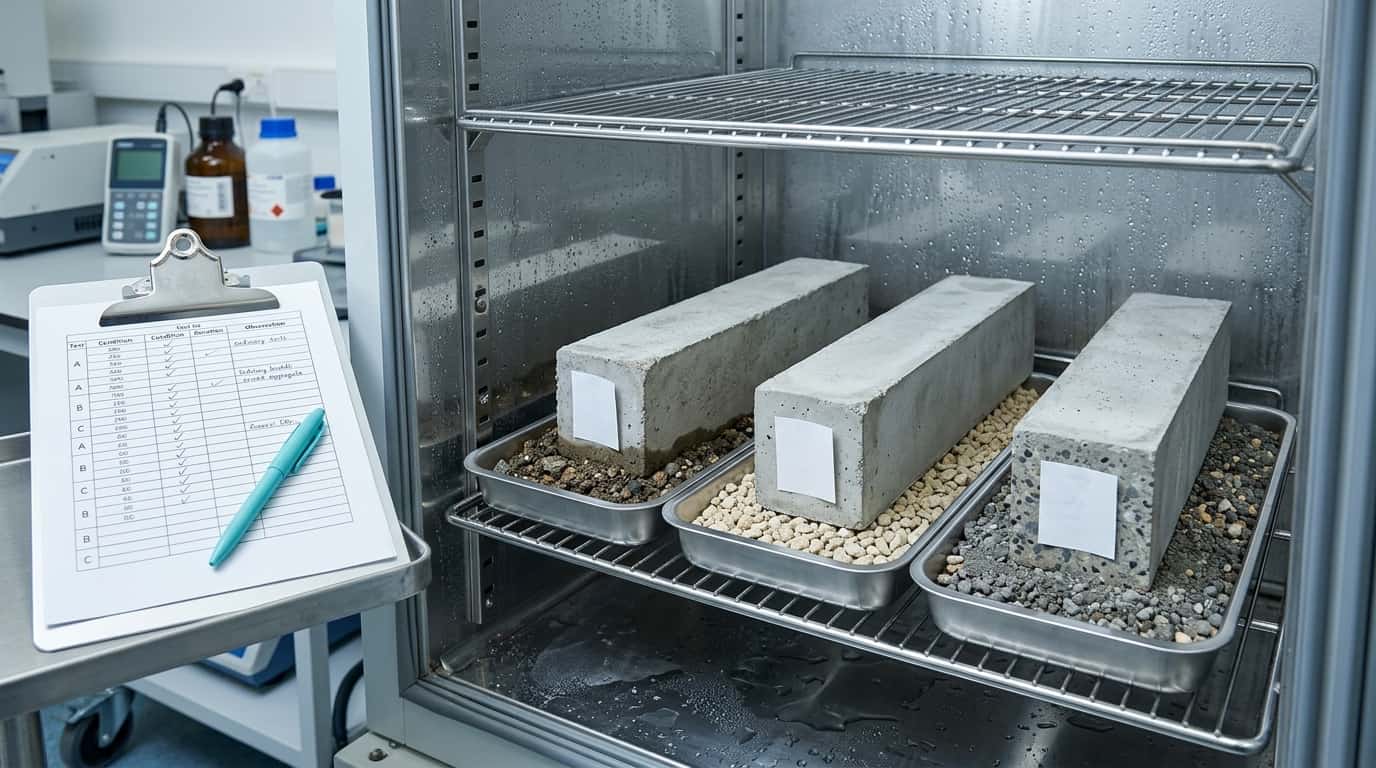
Building a credible durability test programme
How we think about staged lab work and pilots for SubLay C Form 1: matched comparisons, clear indicators, and no headline protection percentages.
Mahtab Dehghani
Industrial side streams can feed SubLay C when regulation allows, but each input needs its own qualification. Recycled percentage alone is not a product claim.

Mahtab Dehghani
Chairman
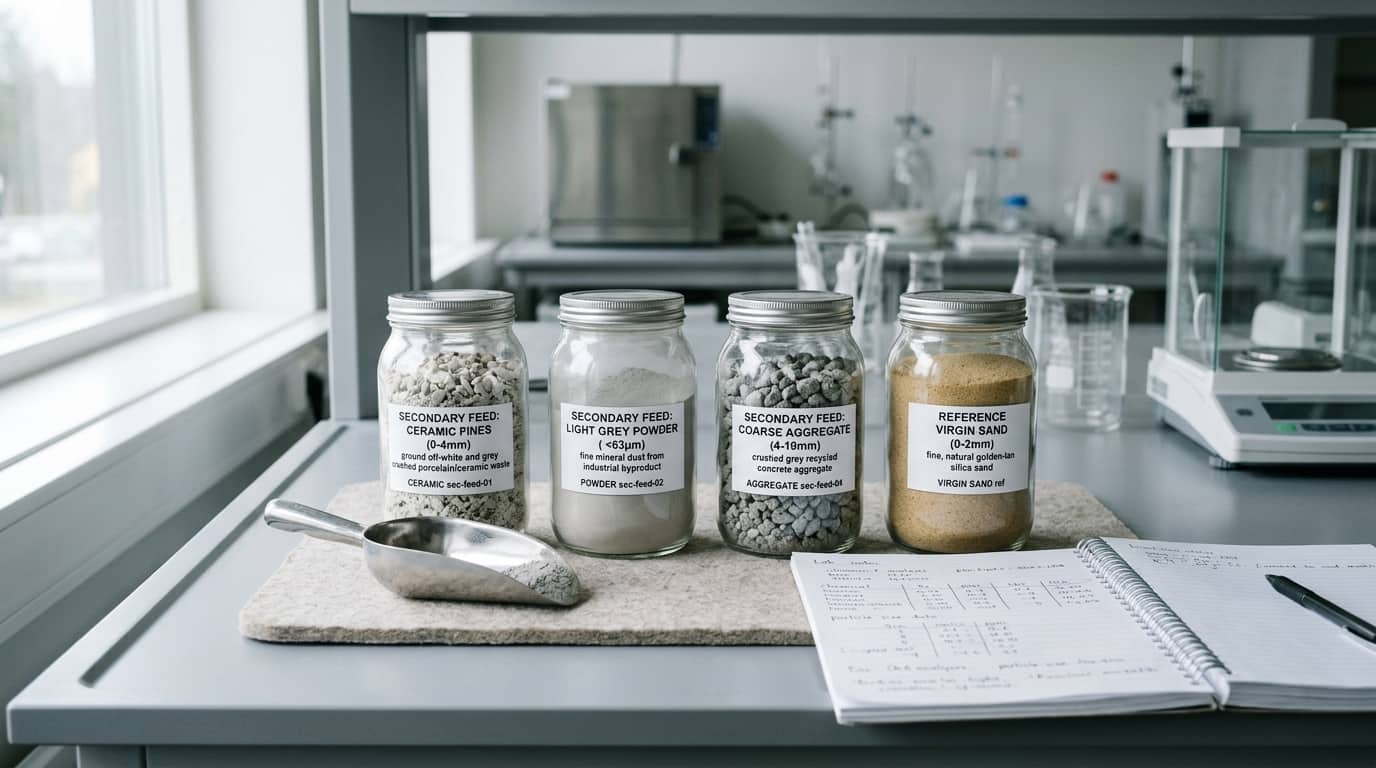
SubLay C Form 1 is a mineral / silica-based protective backfill with corrosion inhibitor and hydrophobic agents. Where Finnish rules allow, the matrix can include qualified industrial side streams; for regulated placements we can supply a virgin-mineral grade. That composition story only holds if each input is traced, tested, and accepted on evidence, not on a recycling label alone. Site investigation on acid sulfate ground should inform which exposures the qualified blend must be checked against.
Engineering proposal only. Side-stream use on pilots follows waste-status and leaching clarity; environmental permitting is separate from corrosion-performance testing. Early pilots can use virgin-mineral Form 1 while qualification runs; side streams enter only after waste-status, permit, or End-of-Waste clarity and a leaching assessment.
A recycled mineral becomes useful when its properties match a defined construction function. The European Commission's 2024 construction and demolition waste protocol emphasises pre-demolition assessment, selective separation, traceability and quality management. These steps support confidence in the recovered material. [1]
VTT identifies mineral side streams as possible resources for several material applications, while linking their development to processing and piloting. This supports investigating secondary inputs, but does not establish that a particular residue is suitable for a protective bedding. [2]
For SubLay, a practical starting point is a comparison of candidate feeds rather than an immediate change to the product recipe. Clean ceramic production rejects, separated demolition ceramic and natural mineral reference material should be recorded as distinct sources. Proposed screening should consider grading, water absorption, soluble salts, unwanted constituents and variation between deliveries. Additive compatibility and the performance of the final mixture should then be checked.
Ceramic aggregate, a finely ground powder and a reactive binder component have different intended roles. Evidence for one role should not be transferred to another without testing. Likewise, a paper-industry residue cannot be described adequately by its industry of origin; its specific process and composition must be identified.
The useful selection criterion is consistent performance in the intended bedding system, together with acceptable environmental behaviour and a viable supply route. A high recycled percentage alone is not a sufficient reason to select an input. The final formulation must remain consistent with the product being developed and validated.
Suppose two ceramic supplies have the same commercial description but come from different production processes. Rather than blend them immediately, keep their identity through initial qualification. A useful sample request would specify the source, processing steps and delivery condition, together with representative samples. The same approach applies to an unfamiliar mineral residue. This is a proposed procurement practice for development: it makes later performance comparisons interpretable and helps avoid changing several ingredients at once while still calling the mixture the same product.
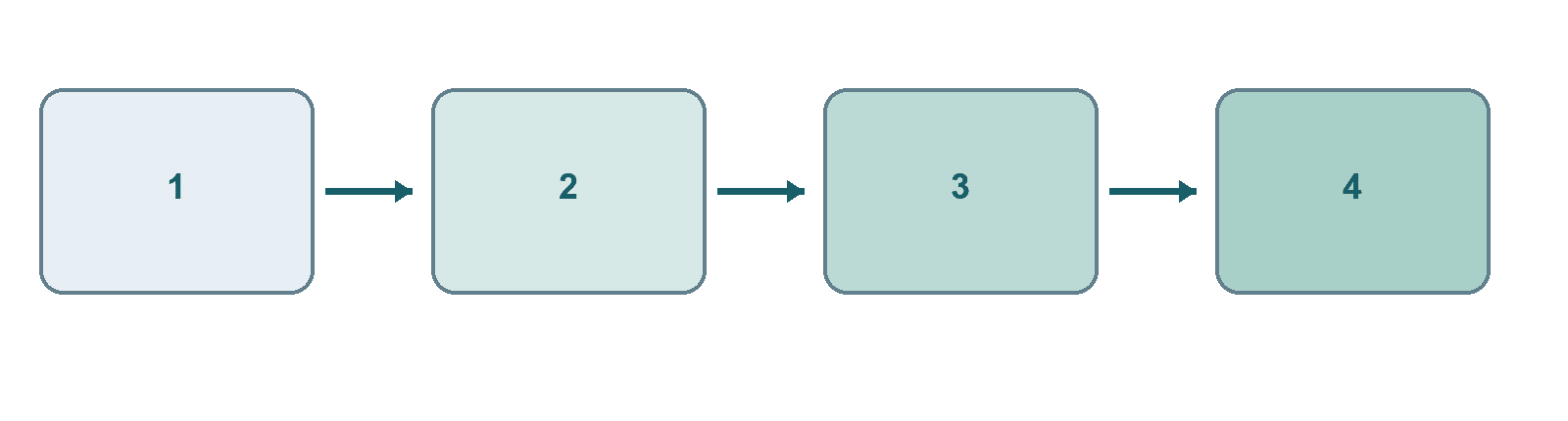
Figure 2: Proposed input-qualification sequence. Each arrow is an evidence-based decision, not automatic approval.
A candidate list should identify the intended role of each input. If a mineral fraction is used to establish the granular structure, assess it in that role. If a finely ground material is intended to contribute a chemical effect, that effect needs its own evidence. A published application in cement does not automatically establish performance in an unbound bedding.
The proposed matrix below separates source control from mixture qualification. Passing the incoming checks means that the material is eligible for the next assessment; it is not a declaration that the finished product will work. Keep the formulation version linked to the sample identity throughout the programme.
| Check | Proposed record | Decision |
|---|---|---|
| Source identity | Plant and process | Keep streams separate |
| Physical properties | Grading and moisture | Assess processing needs |
| Chemical screening | Relevant salts and constituents | Identify exclusions |
| Blend compatibility | Formulation-linked results | Accept or revise substitution |
| Supply consistency | Repeated deliveries | Set supplier conditions |
Original engineering review matrix; it does not prescribe acceptance limits or legal requirements.
For SubLay, a defensible substitution study would change one defined input while keeping the other relevant conditions comparable. Compare the new version with the reference formulation, including environmental behaviour and the claimed protective function. If the substitution is accepted, record its limits and supplier specification. This would allow circular sourcing to develop through controlled changes rather than through an open-ended list of wastes that might be available.
Early Finnish pilots can start on virgin-mineral Form 1 while feedstock qualification runs in parallel. See the SubLay C validation table for circular feedstock status.
Buried concrete durability
Article 3 of 5
Keep reading
How we think about staged lab work and pilots for SubLay C Form 1: matched comparisons, clear indicators, and no headline protection percentages.
Mahtab Dehghani
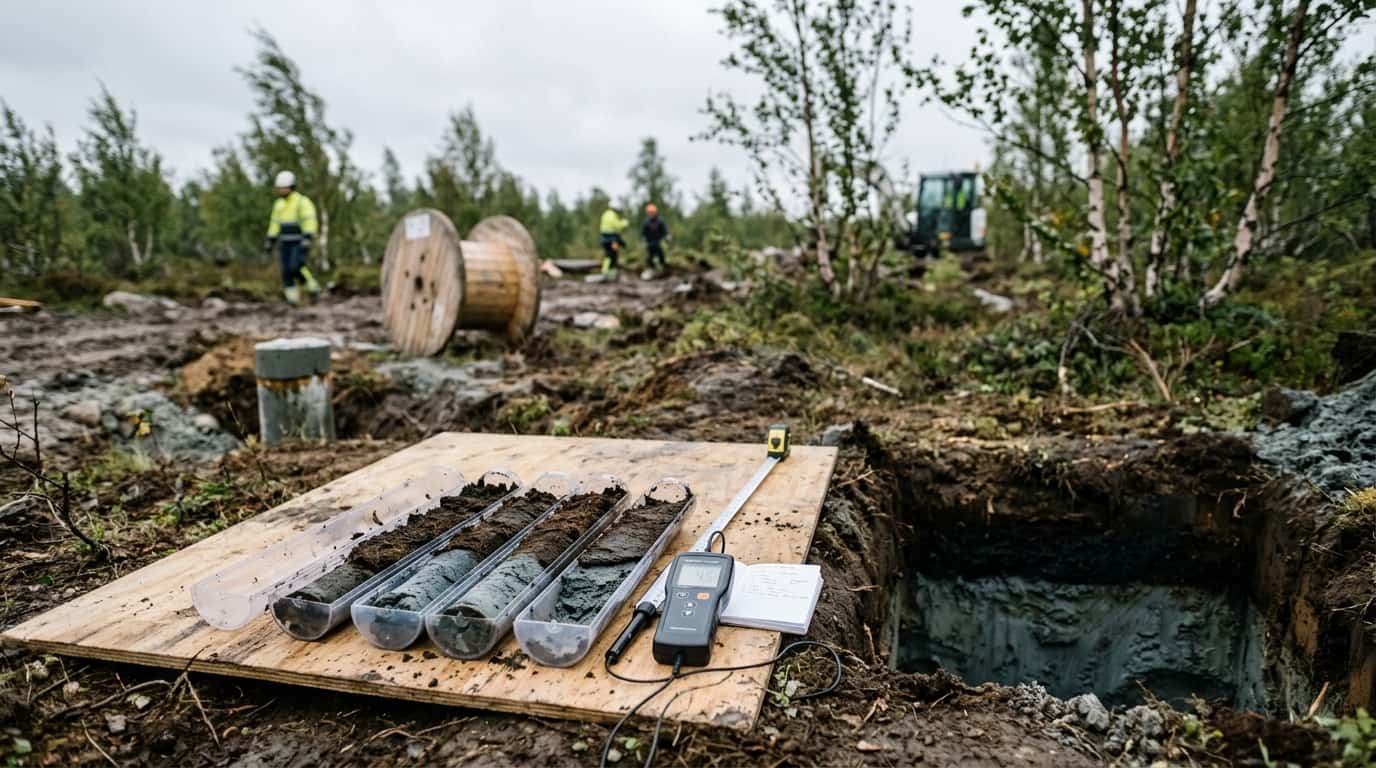
Finland's coastal acid sulfate soils can turn aggressive once disturbed. Mapped risk should trigger site investigation before a buried-concrete pilot, not a generic backfill assumption.
Mahtab Dehghani
Discussion
Comments
Ask about placement, pilots, or product framing. Comments are public; we may reply from the SubLay team.
No comments yet. Be the first to start the thread.