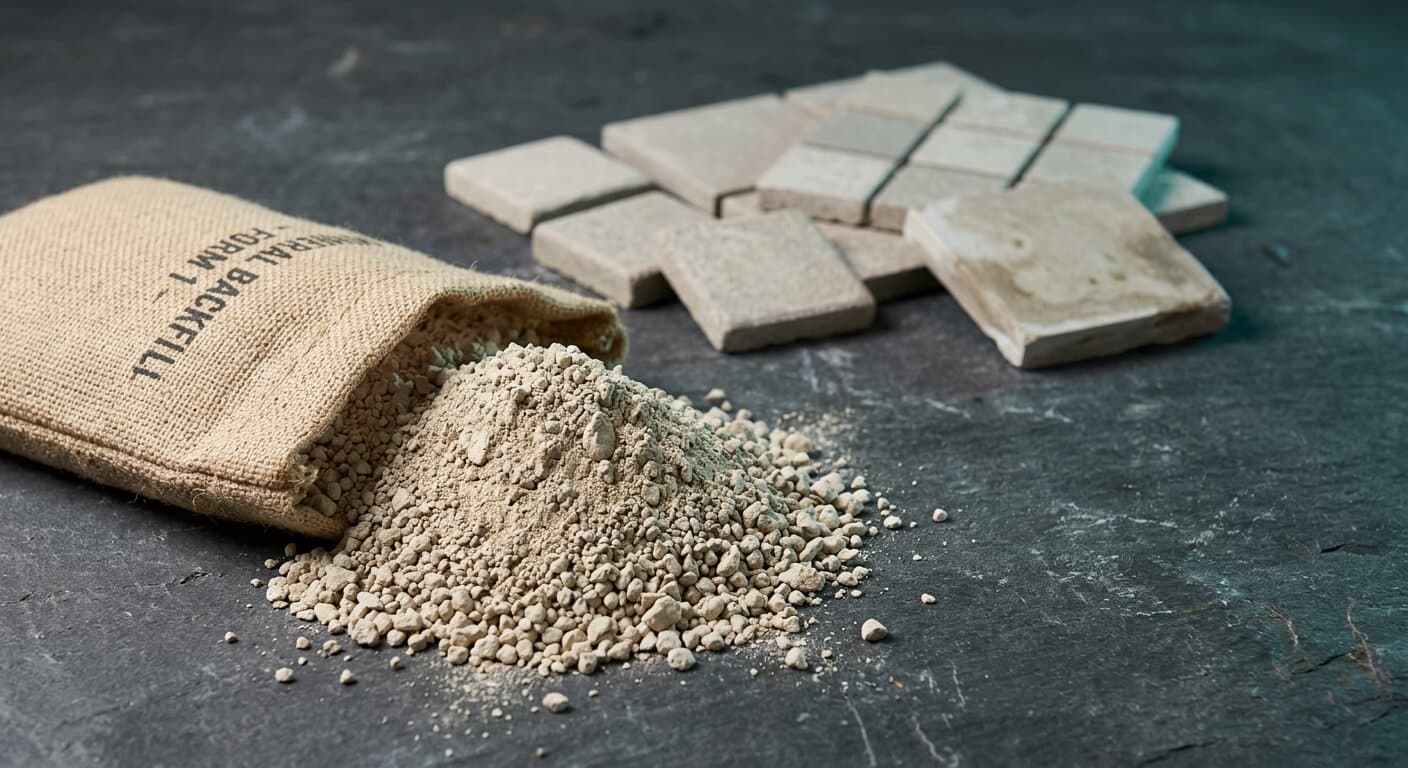
Forms 2 and 3: what comes after backfill
Form 1 is available to pilot today. Forms 2 and 3 extend the same material system into precast tiles and cast formats on the roadmap.
Arash Falah
A plain-language introduction to SubLay C, our mineral protective bedding for buried reinforced concrete, and what is ready today versus still in progress.

Mahtab Dehghani
Chairman
SubLay C is the concrete product line from SubLay. It is a mineral protective bedding system meant to sit in the soil next to buried reinforced concrete: around the sides and under the base of poles, foundations, cable chambers, and similar assets.
The idea is simple. Most durability work focuses on the concrete itself: mix design, cover, coatings, or the steel. SubLay C works on the layer engineers often treat as an afterthought: the backfill and native soil pressed against the structure. That soil can carry chlorides, sulfates, moisture, and other drivers of corrosion. SubLay C is engineered so that contact zone behaves more like a protective mineral bed than like ordinary aggressive ground.
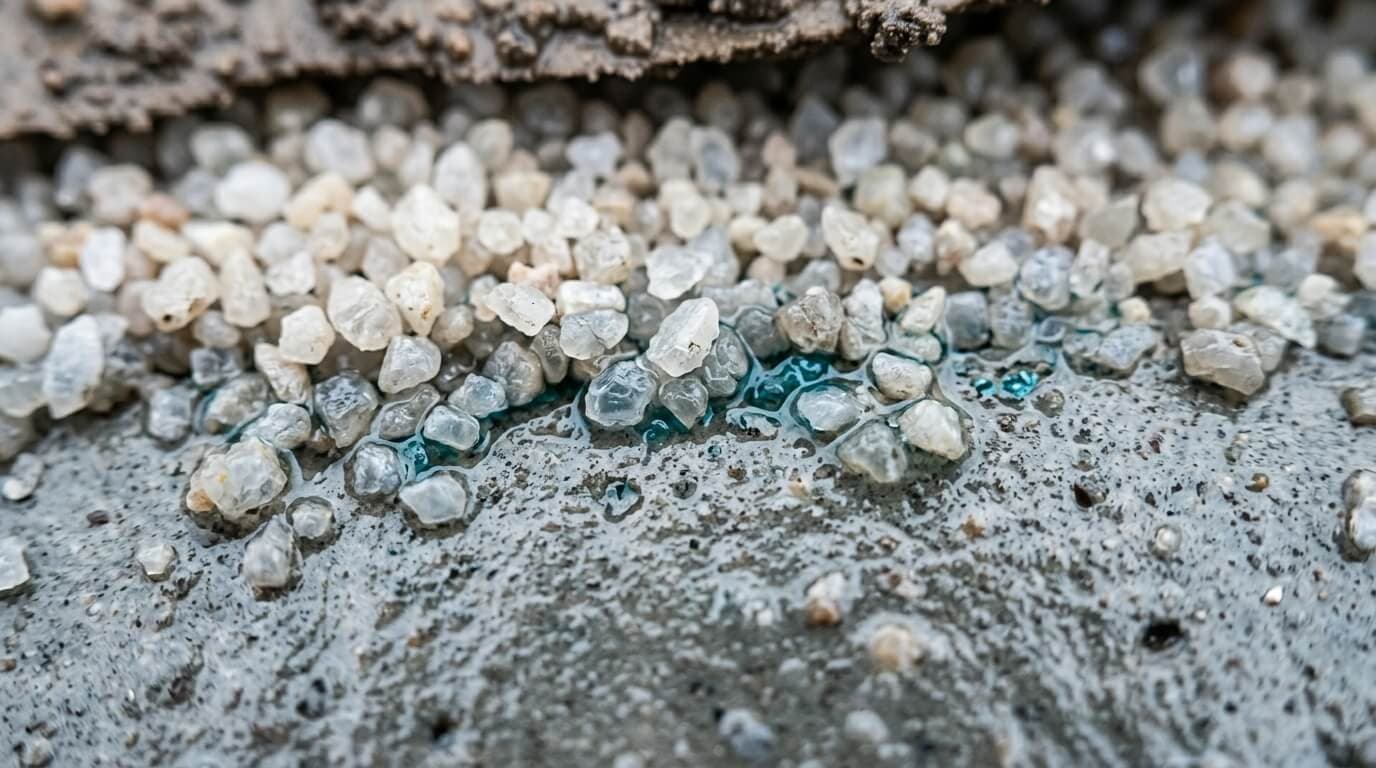
SubLay C Form 1 is engineered protective backfill. It is a loose mineral bedding you place, compact, and backfill around, with thickness and QC agreed for the job. You do not need to change the concrete mix design or reopen structural approvals to add a soil-side protective layer.
We describe the material at a high level as a mineral / silica-based matrix with corrosion inhibitor and hydrophobic agents. Where regulation allows, we can use qualified industrial side streams; for regulated placements we can supply a virgin-mineral grade. Every delivery includes placement guidance and QC notes your contractor can follow on site.
Forms 2 and 3 (precast biscuit / mosaic tiles, and cast formats from the same material system) are on the roadmap. Form 1 is the format we scope for pilots today.
Think of three zones in the trench:
Typical steps: prepare the contact zone, place SubLay C Form 1 at the agreed thickness, compact to spec, backfill remaining zones with ordinary soil, and on pilots record lot ID, thickness, and date. Pilots can include a practical monitoring plan (for example half-cell or sampling per protocol). That monitoring supports learning on the job; service-life outcomes depend on site, design, and the full durability programme.
Year 1 we are focused on Finnish electricity distribution: pole foundations, substation foundations, and related buried concrete, placed by DSOs and their civil contractors. Road and bridge substructures are a sensible next step after independent EU laboratory work is further along.
If you bury and maintain concrete in aggressive coastal ground, sulfate-bearing or acidic soils, or salt-loaded roadside environments, SubLay C is aimed at the problem: reduce the soil-side acceleration of corrosion without redesigning the structure.
Other products often protect the steel, the concrete mix, or the concrete surface. SubLay C treats the soil that attacks them.
The validation table on the SubLay C product page is the live source. In short, as of this article:
If you have a buried asset and an upcoming placement, start with a pilot request or email [email protected]. Tell us the asset type, region, and timing. We will review the fit and, if it works, propose a pilot pack: material, application guidance, and monitoring plan.
SubLay C is a soil-side protective layer for buried infrastructure. Your structural engineer and conformity strategy stay in your lane; we help you treat the ground that presses against the concrete.
Keep reading
Form 1 is available to pilot today. Forms 2 and 3 extend the same material system into precast tiles and cast formats on the roadmap.
Arash Falah
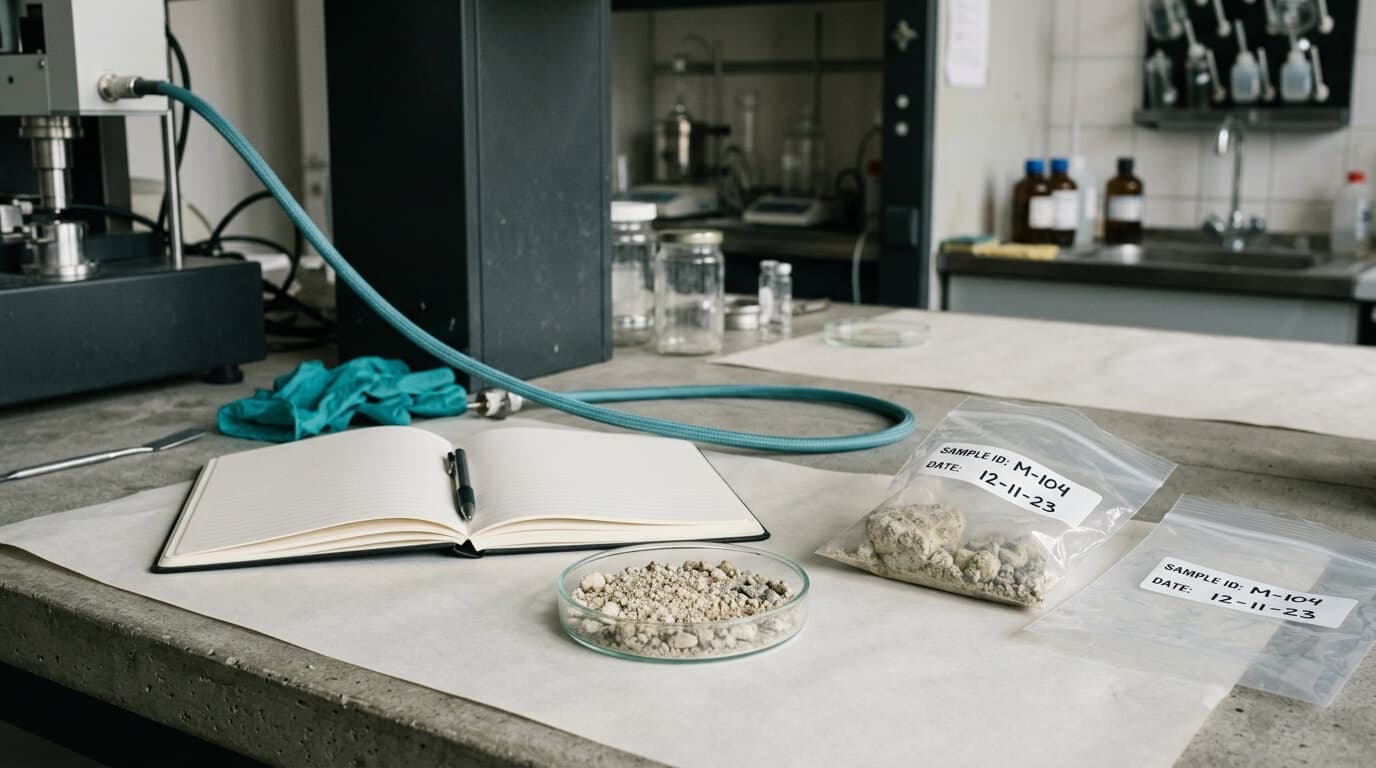
Why SubLay uses ready / in progress / roadmap labels instead of protection percentages, and how to read the validation table.
Mahtab Dehghani
Discussion
Comments
Ask about placement, pilots, or product framing. Comments are public; we may reply from the SubLay team.
No comments yet. Be the first to start the thread.