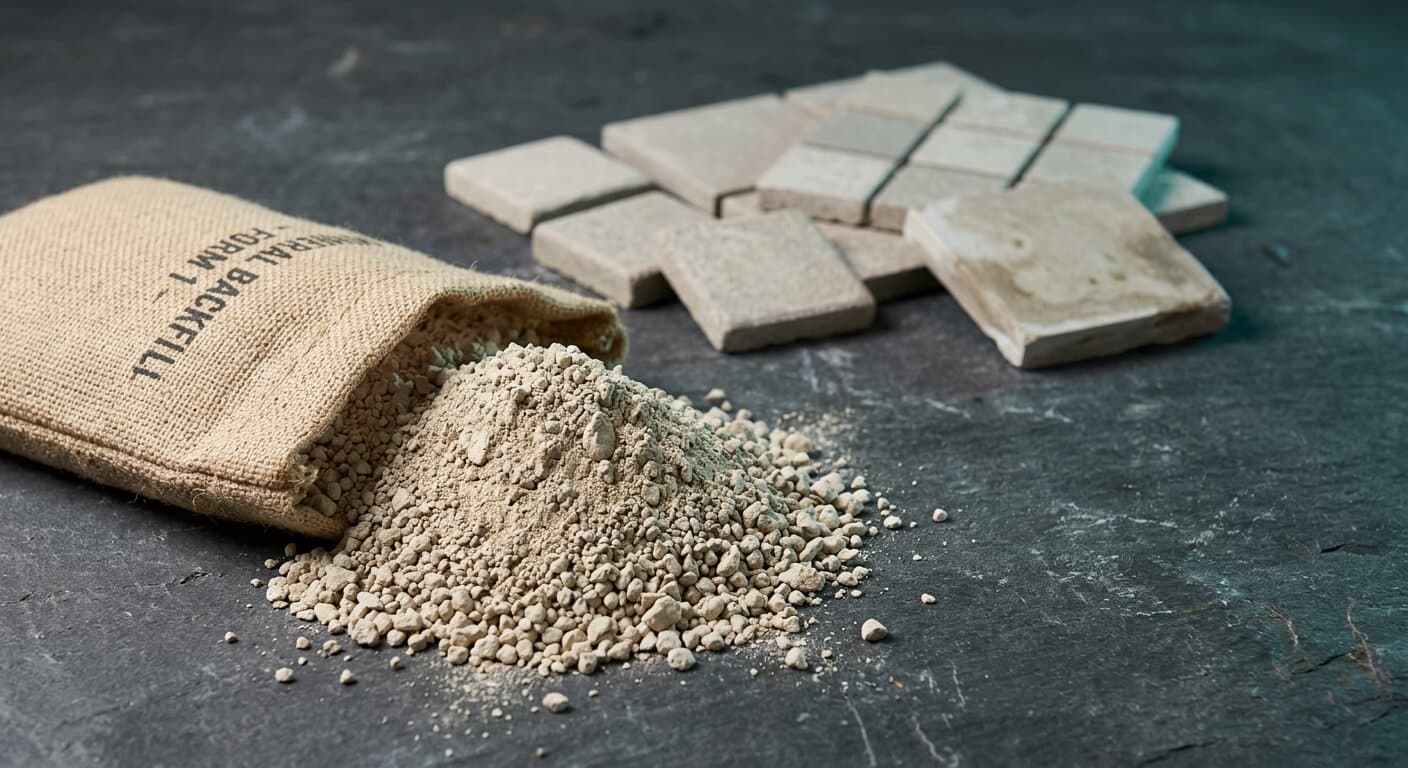
Forms 2 and 3: what comes after backfill
Form 1 is available to pilot today. Forms 2 and 3 extend the same material system into precast tiles and cast formats on the roadmap.
Arash Falah
How Form 1 placement fits a contractor day: contact zone, thickness, compaction, backfill, and simple QC, without changing the concrete mix.

Safa Fadaei
Head of Process and Manufacturing
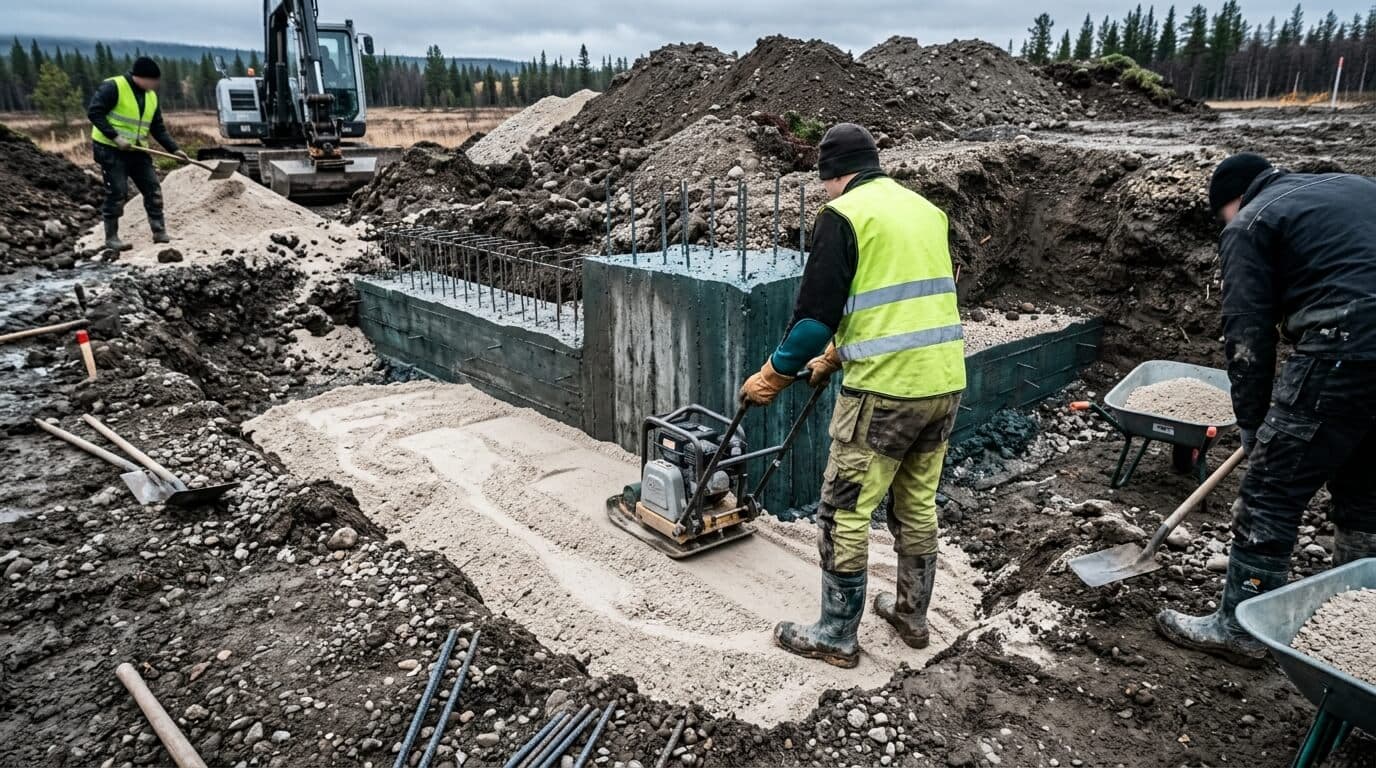
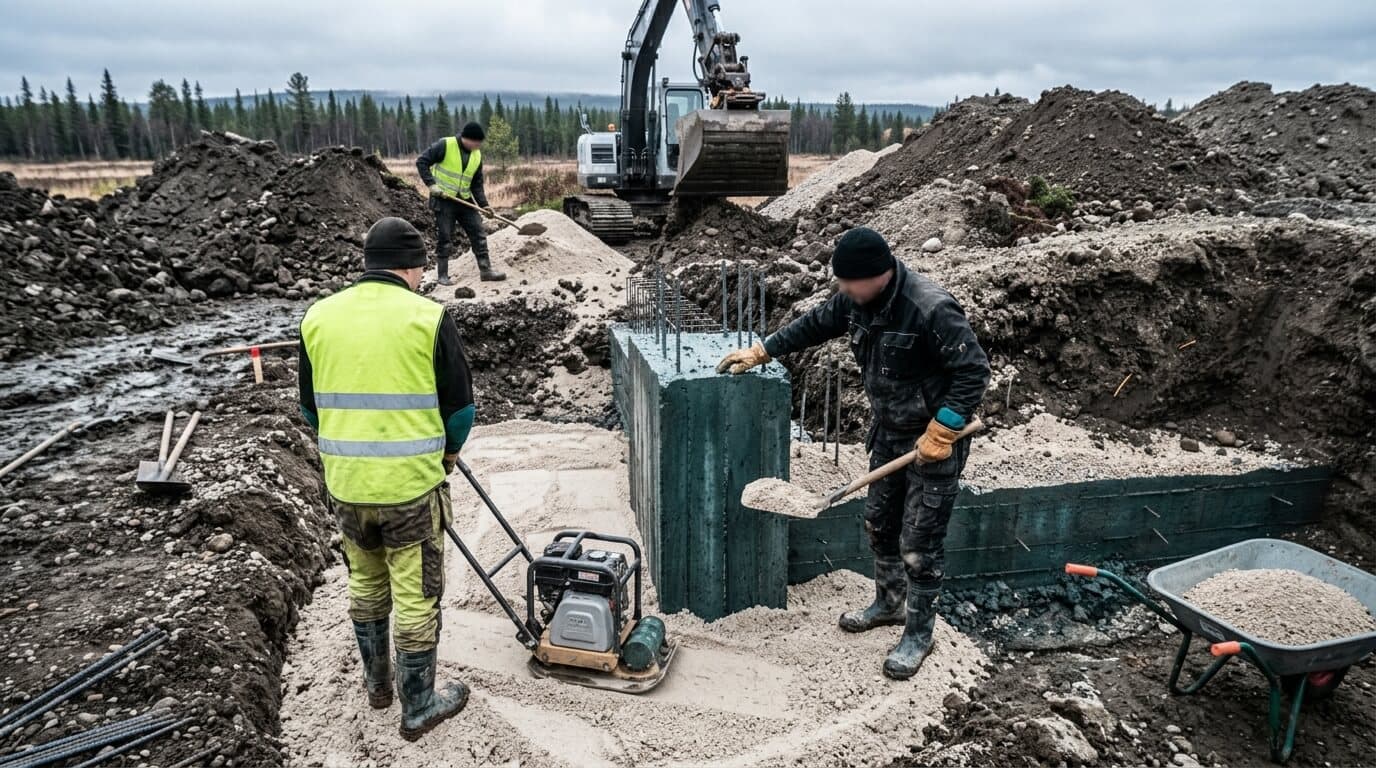
Contractors do not need a new trade to place SubLay C Form 1. The work sits in the same trench sequence you already run for poles, foundations, and cable chambers. You prepare the contact zone, place a mineral bed at the agreed thickness, compact, then finish with ordinary soil. The concrete mix design stays as approved.
SubLay C Form 1 is engineered protective backfill: a loose mineral / silica-based bedding with corrosion inhibitor and hydrophobic agents. It goes around the sides and base where soil would otherwise press against buried reinforced concrete. Regular soil fills everything outside that bed.
Think of three zones:
Form 1 is the soil-side layer in the trench. Coatings, wraps, and mix-design changes are separate decisions where your codes require them.
These are the steps we share with civil teams. Exact thickness and compaction values live in the job pack for each asset.
None of that requires reopening structural approvals. It does require the same discipline you already use for bedding and compaction: right material, right zone, right record.
Thickness is agreed per job with the buyer. What we insist on is clarity: the contact zone gets Form 1 at the design thickness; the rest of the trench does not.
QC on a normal day is practical:
Every delivery includes placement guidance and QC notes your crew can follow. Virgin-mineral grade is available when the placement needs it. Circular feedstocks are used only where local rules allow; that decision is part of scoping, not something the site improvises.
Field performance and third-party evidence are tracked on the product validation table. If you are bidding or planning a foundation day and want SubLay C in the trench, open a pilot request. Tell us the asset type, region, and timing. We will come back with a pack sized to material, guidance, and monitoring, so the day stays a normal foundation day with one extra, clear layer.
Keep reading
Form 1 is available to pilot today. Forms 2 and 3 extend the same material system into precast tiles and cast formats on the roadmap.
Arash Falah
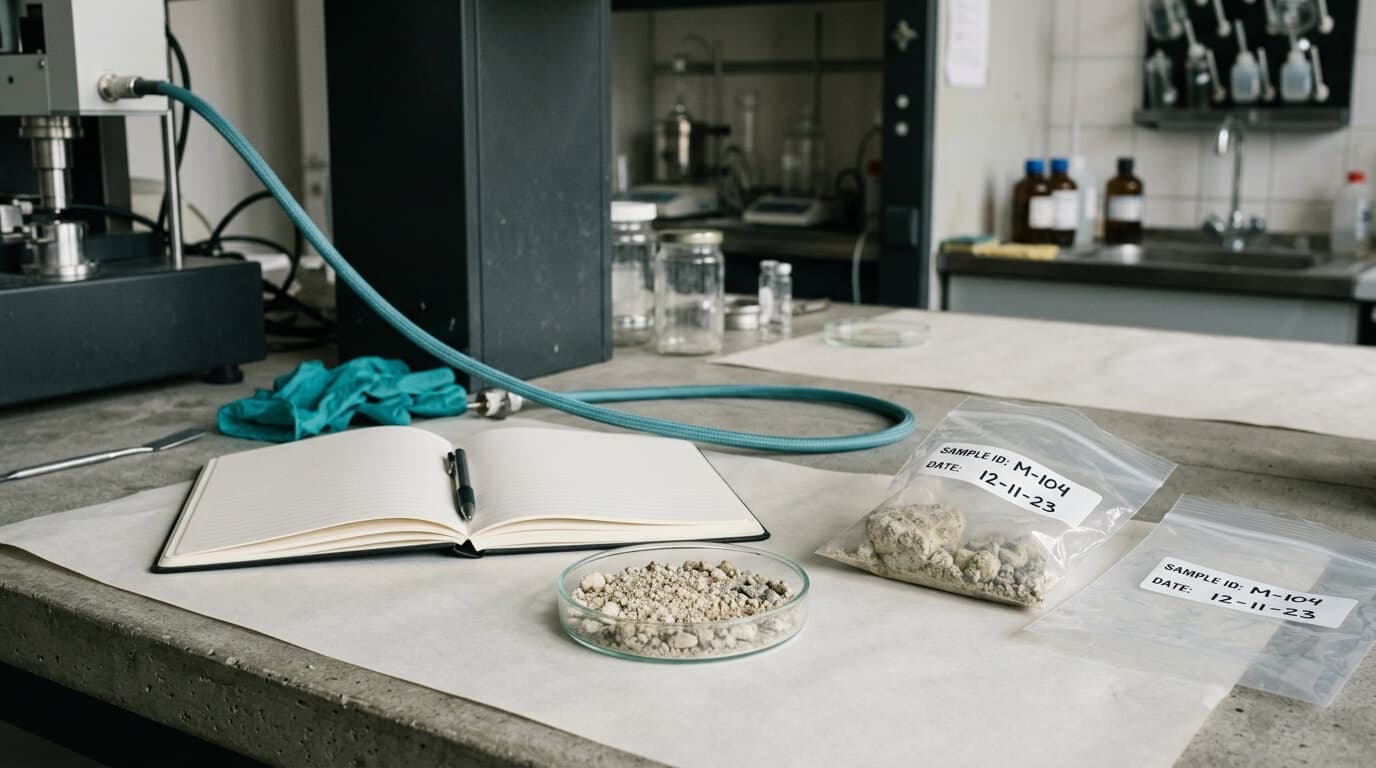
Why SubLay uses ready / in progress / roadmap labels instead of protection percentages, and how to read the validation table.
Mahtab Dehghani
Discussion
Comments
Ask about placement, pilots, or product framing. Comments are public; we may reply from the SubLay team.
No comments yet. Be the first to start the thread.